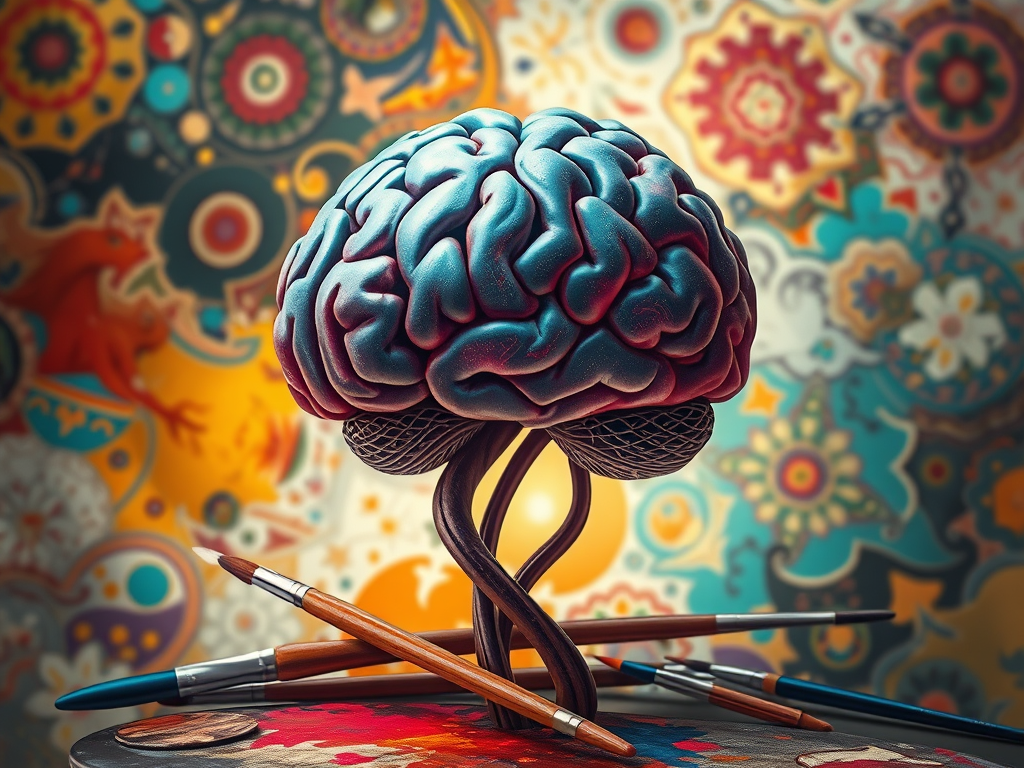

In recent times, art created by artificial intelligence has become more popular in usage and debates regarding ethics. AI-generated art is still too new for hastily made decisions to be made regarding its legality. Currently, AI models are trained on pre-existing artwork which may infringe on artists’ property rights. Today, I will explore the usage of AI in art generation and how it could impact creativity and future computational media.
How it works
AI-generated art involves machine learning where algorithms analyze datasets of existing artwork. The AI will learn specific patterns like shapes, colors, and themes. IT then uses this to create original images. The most famous and common ones are DALL-E, Midjourney, and Stable Diffusion where all it takes to create a completely new art piece is a single text prompt from the user. The simplicity of it raises concerns for artists who base their living off of creating art. If anyone can do it now with a single phrase typed, will artists have a job in the creative space in the future?

Can AI Art be considered Art?
Art as defined by the Oxford Dictionary:
“the expression or application of human creative skill and imagination, typically in a visual form such as painting or sculpture, producing works to be appreciated primarily for their beauty or emotional power.” Two points that stand out from this definition to me is the “human creative skill” and admired by “emotional power.” Art traditionally reflects human skills and emotions, which is something that AI cannot recreate truly since it does not have emotions and is not human. AI art is created without the genuine creativity that makes it “art”.
Many argue that AI is just an extension of human creativity, it’s a tool, like a paintbrush or a camera. Humans are designing the AI models and also guiding their creations with descriptions, so it is human-made to an extent.
Ethical Challenges
AI-generated art sparked many debates and arguments about ethics. One of the main arguments presented is regarding ownership. Who owns the art that is generated? Is it the artist’s art that trained the model? Is it the user who prompted the art? Is it the developer of the AI model used?
Many artists have come out to speak against AI art using their work without consent. This is like plagiarism and theft of intellectual property. There is no credit given to the original artists. Developments are happening but we will see how legality will fit into artificially generated artwork.
 Blog
Blog 