Are broken games beautiful? Faulty media containing bugs can be a form of art…
What is a Glitch?
In most games and digital media, glitches are seen as mistakes. Like, when a character stretches out in a weird way, a wall disappears, or the sound starts looping over and over. It’s the kind of thing people expect to get fixed in the next update. Just bugs.
But in computational media, not everything that’s broken is actually bad. Sometimes, glitches can be kind of beautiful. People even use them on purpose to make art, tell stories, or create certain feelings. That’s when glitches stop being problems and start becoming something creative. They turn into a whole style all on their own.
Glitches in Games & Music
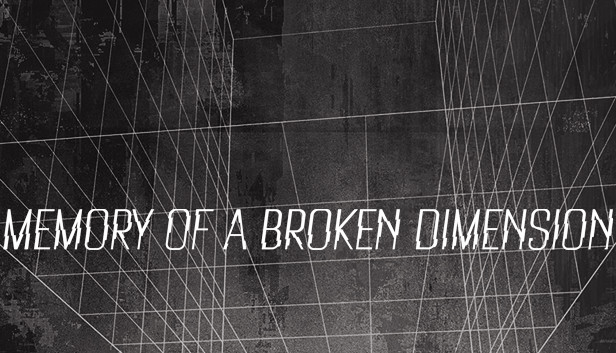
One example is Memory of a Broken Dimension, a game that looks like a digital ghost. The whole thing is built to feel glitchy, simulating an old computer system that’s haunted. The world flickers, distorts, and collapses. You’re fighting with the brokenness of it. And somehow, that makes it more powerful and impactful as an art piece.
Another example of glitches purposefully being used in games is glitchcore, an aesthetic used in indie games like Hylics or 0_abyssalSomewhere. These games overload the player with glitchy effects, twisted animations, and strange audio. They make the game feel more like a fever dream than a traditional narrative. It is confusing in a good way.
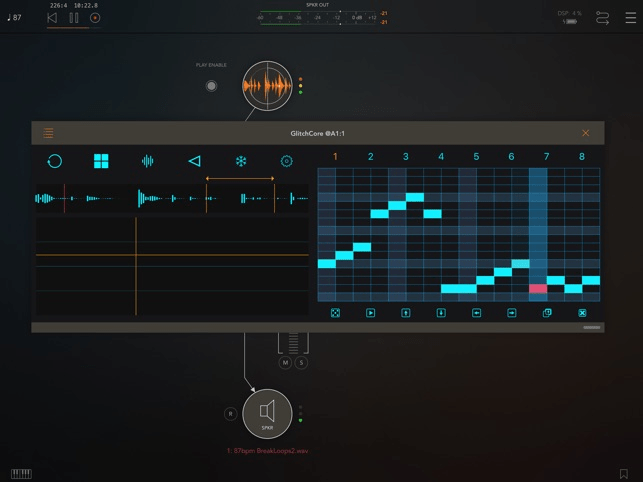
Glitchcore is also a music genre that fits perfectly into the world of computational media. It’s basically music made with and about digital tools glitching out. A lot of glitchcore songs are created using software that cuts, distorts, and rearranges sounds in ways that feel random or broken. But it’s all intentional. The chaos becomes the style.
In glitchcore music, producers use computers to mess with auto-tune, pitch, speed, and effects until vocals and beats sound almost digital or robotic. Sometimes they chop up sounds so fast they glitch, like a video buffering or a file failing to load. That kind of sound design couldn’t exist without technology.
Why It Matters in Computational Media
Computational media is all about exploring the space between technology and creativity, and glitches live right in that space. Glitches remind us that digital systems aren’t perfect. They can break, bend, and do things we didn’t expect. And sometimes, those surprises open up new forms of expression.
Think about it. When a glitch changes the way you see or interact with a game, it’s no longer just a mistake. It’s a message. It can represent chaos, memory loss, corruption, or even a kind of digital decay. Artists and game designers are learning to use that feeling as a tool.
 Blog
Blog 