Perfect responsiveness can make digital interactions feel artificial. Simulating small human reaction delays adds subtle imperfection, creating realism and emotional weight in games and interactive systems.
The Role of Imperfection
Reaction times for humans vary from 150 to 300 milliseconds based upon the situation and the individual’s level of attention. Most responses (pressing a button; firing at an enemy) occur immediately in game systems and simulators. The reason these are immediate is because they have removed one of the natural elements of hesitancy that distinguish human behavior.
Adding a small amount of delay to how movements happen or how inputs are received can create the sense of thoughtfulness or caution by AI characters. Even adding a short delay to how a character dodges or pauses briefly before speaking adds a layer of authenticity to their reactions and creates a sense that they perceive their surroundings as opposed to being programmed to react automatically. Adding layers of human believability is just as important as system performance in many narrative games and simulation environments.
Modeling Reaction Time
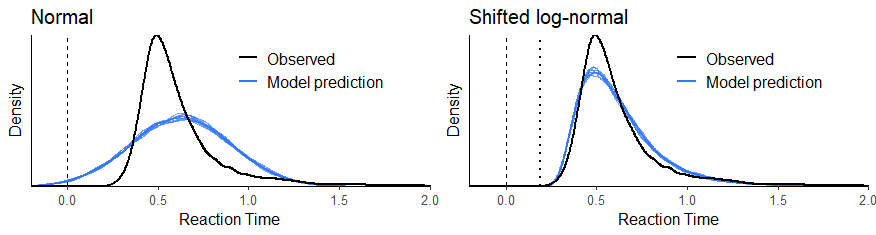
Adding random or contextual timing variance (reaction delay) is a simple way to create the sense that entities react after being prompted — the reaction delay could be random (for example, 0.2-0.5 seconds) for a Non-Player Character (NPC) that responds to a player’s attack; however, this can also be based on additional factors such as alertness or fatigue of the NPC to make every reaction different.
Physically driven simulations can also use small amounts of latency to represent ‘human error’ — for example, the camera can have a small amount of lag when following the player to give it a sense of inertia. Small amounts of latency in audio cues can also represent distance or decision-making.
Developers can create the sense that their digital agents are processing information rather than simply reacting to stimuli by manipulating the timing variance of digital agents to occur at levels that are perceivable to users but do not disrupt the user experience.
Reflection
Simulating human reaction delay reminds us that realism comes from imperfection, not precision. Small pauses create rhythm, weight, and personality in digital systems. When a response feels delayed just enough to suggest thought, the illusion of intelligence deepens, turning predictable motion into believable behavior.
 Blog
Blog 