
Color grading adjusts the emotional tone of an image, but it can also respond dynamically to data within the frame. By using image entropy as a guide, grading can become adaptive, enhancing balance and depth automatically.
Understanding Entropy in Images
In digital image processing, Entropy is an expression for how much information or randomness exists in a particular image. An image that has a higher entropy has many different elements (edges, textures, etc.) which contribute to the overall randomization of the image. On the other hand, an image with lower entropy will have fewer distinct elements and therefore will be more “flat” or uniform in appearance. Images that contain a lot of entropy are often perceived as being very dynamic and richly detailed whereas images containing little entropy are perceived as being calm and minimalist.
When applying traditional color grading techniques, all frames in an image sequence are treated equally without regard to what is contained within the individual frame. When using entropy, a system can evaluate each section of an image to determine the level of detail and adjust the contrast or saturation levels of those areas with lower levels of detail. The system can also soften out fine details of areas with already high levels of entropy. Ultimately, this results in creating an image that appears both consistent and natural.
Adaptive Grading Techniques
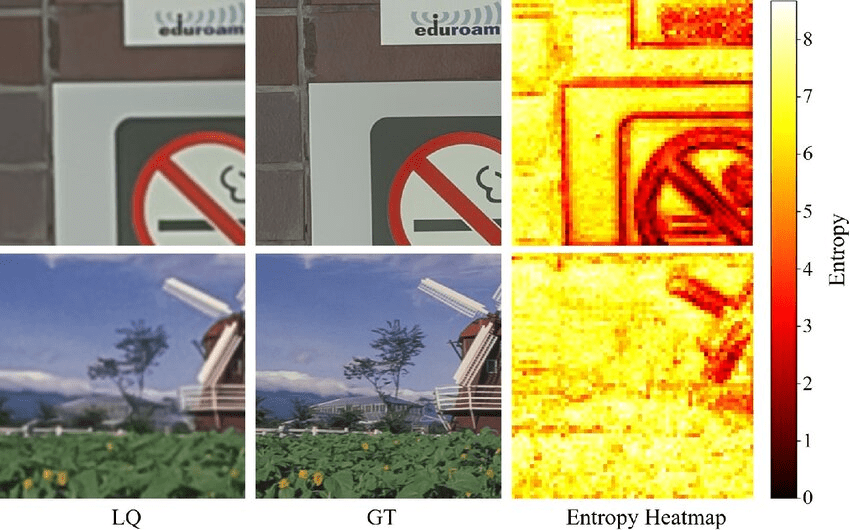
A grading system based on Entropy generates a map of how much detail (Tonal Variation) is present within a particular area of an Image by breaking the Image into smaller blocks of pixels, converting each block to Grayscale and measuring the amount of Entropy (or Detail) within each block.
These maps can then be used as reference for Color Adjustments. For instance, low Entropy sections may benefit from increased contrast or color Saturation to make the underlying structures visible; High Entropy areas may have their color Saturation reduced so that they don’t overwhelm the viewer with too many details at once. The result is a natural flow of the viewer’s attention around the Image.
This Entropy method can also be applied in Real Time to Film, Television, Video Games, etc. The method will continuously adjust to changes in the Camera, Lighting, etc. in order to keep the overall Visual Flow coherent.
Conclusion
Color grading through entropy analysis connects perception and computation. It replaces uniform adjustment with intelligent adaptation, letting the image’s complexity shape its final look. The result is a process that feels both analytical and expressive—one where data doesn’t limit creativity but refines how it’s seen.
 Blog
Blog 